The air in the workshop is thick with the scent of hot flux and scorched wax. I hold a newly cast silver skull in my palm, fresh from the ultrasonic cleaner. Its surface feels unusual—a dry, white frostiness that raw metal only possesses in that fleeting moment after leaving the mold.
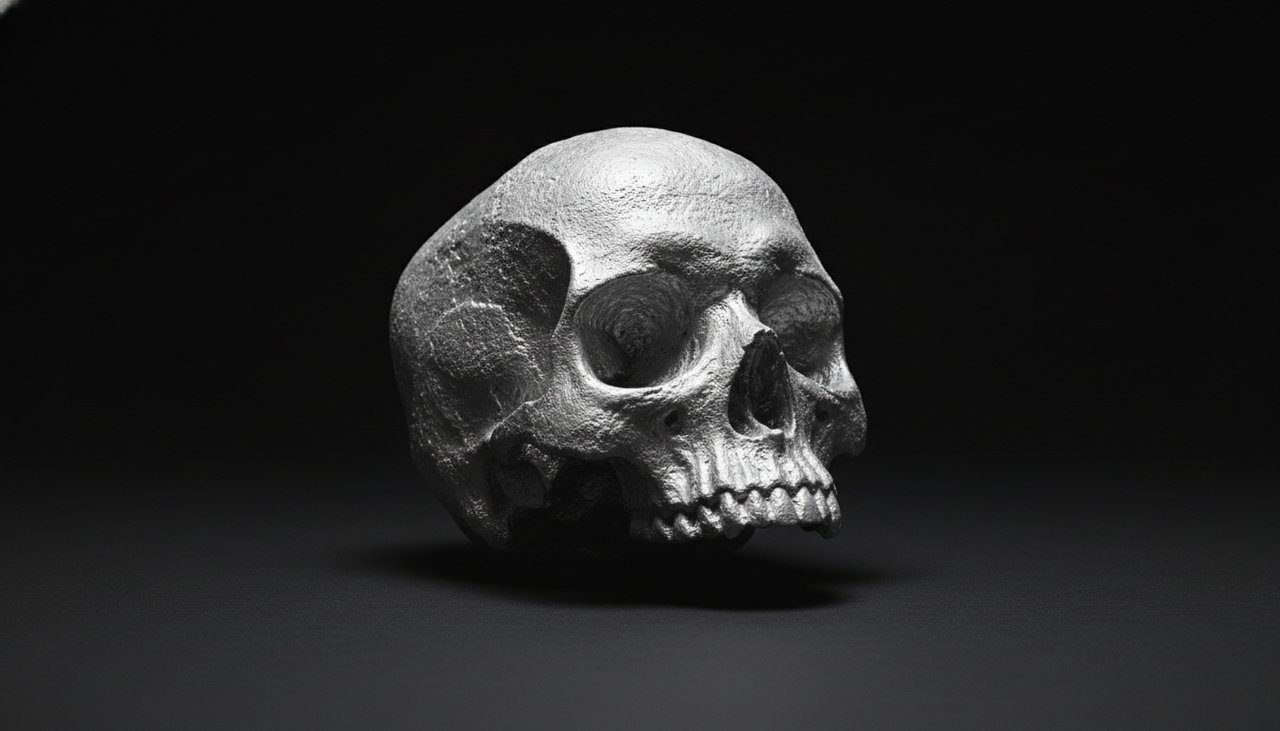
The first thing you notice is the theft of warmth. The silver draws the heat straight out of your skin. Then comes the weight, an unyielding density that insists on a downward pull. I turn the casting under the bench lamp, wondering why we are so often drawn to these shapes—the skull, the serpent, the thorn. The answer isn’t found in the finished shine, but in the physical labor required to ground them in reality.
The Gravity of 925 Silver Jewelry
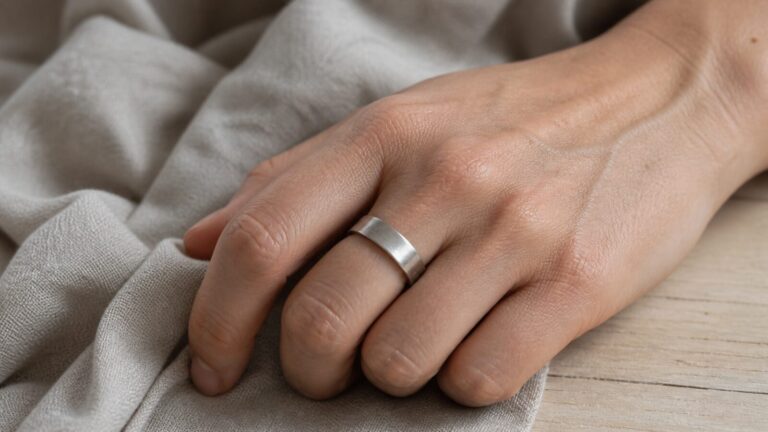
A heavy ring refuses to sit lightly on the finger. You feel it with every movement of your hand, a constant, blunt pressure against your knuckles. This physical presence often begins as a way to address an absence.
Before it becomes solid metal, the object is nothing more than a void inside a plaster cylinder. To fill that void, I rely on three brutal forces: a kiln to burn away the wax, a crucible to liquefy the silver, and a centrifuge to throw the molten metal into the empty space. It is a violent birth for something meant to bring stillness.
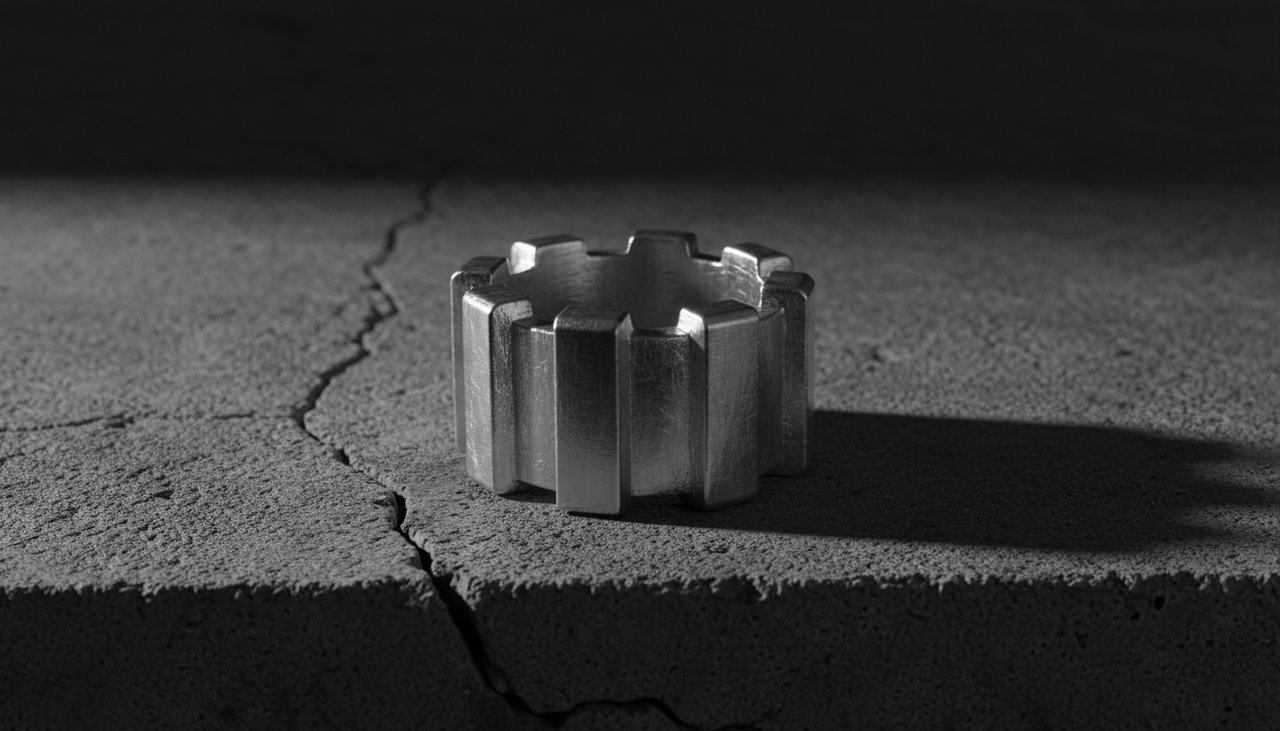
I’ve realized that anxiety is often just a formless pressure, a shadow that follows us without a defined edge. By pouring a massive, solid material into the mold of a beast or a skull, we give that formless dread a boundary. We lock it into the specific gravity of 925 silver. We wear these heavy pieces because a defined, physical weight is much easier to carry than a shapeless one.
The Gaze
The raw cast is blunt. The wax model has disappeared, and the metal copy carries only the first rough map of the face. The features are there, but they lack definition and intent. To give them direction, I switch on the micromotor. The steel burr begins to hum at twenty thousand revolutions per minute.
The most delicate part of the carving is setting the eyes. A fraction of a millimeter determines whether a face looks defeated or defiant. I brace my elbows against the bench peg to steady my breath. As the steel cuts the silver, the fangs and the brow ridges begin to emerge. They do not pose a threat to the maker; they are entirely subject to the pressure of my hand.
This is how a symbol of fear becomes a ward of protection. When you wear a motif that traditionally inspires terror, you are declaring mastery over that shape. The symbol is no longer acting upon you; you have acted upon it.
The Darkness
Silver naturally wants to reflect every stray beam of light. To give the metal depth, I have to introduce a harsh chemical reaction. I dip a fine brush into a heated jar of liver of sulfur.
The sulfur reacts with the silver surface and forms a thin layer of silver sulfide. The moment the liquid hits the metal, the silver turns a flat, opaque black. The entire piece is submerged in shadow. It looks ruined—tarnished, heavy, and devoid of any luster. But this is a necessary descent.
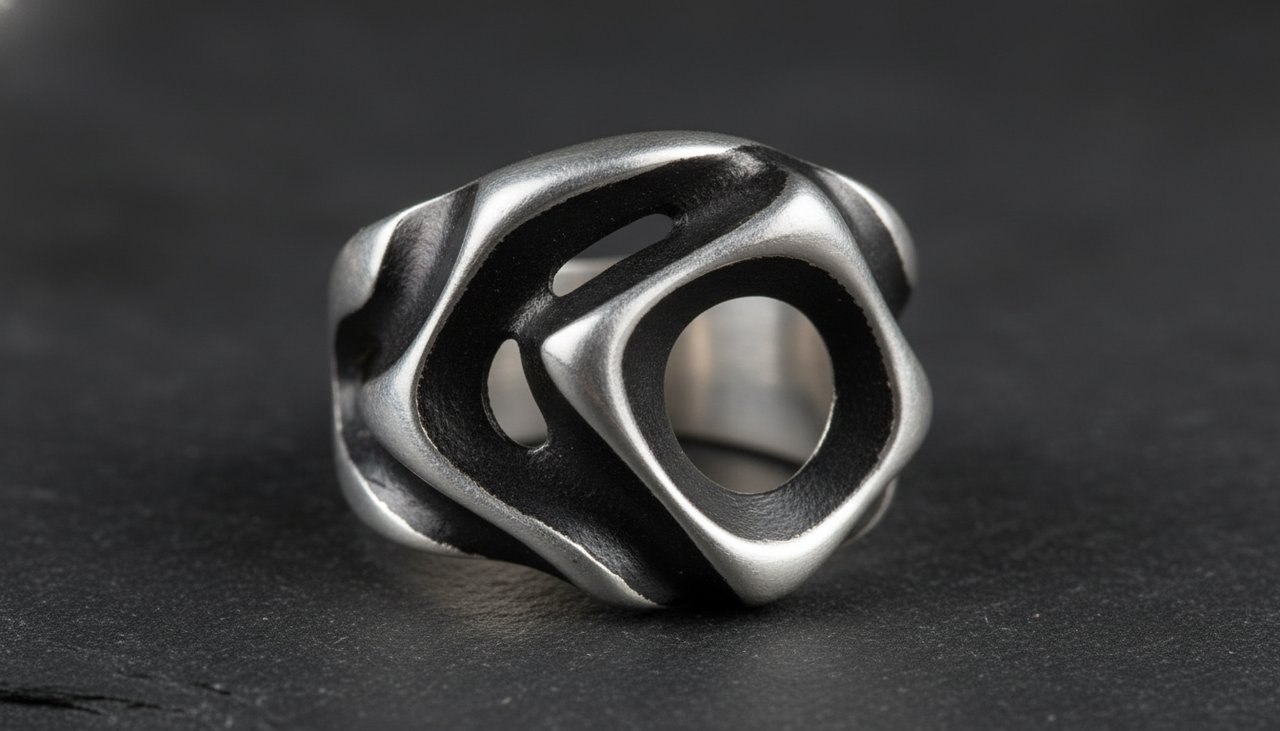
The next step is not about erasing that darkness. I take a sanding stick and begin to work over the high points. The abrasive cuts through the black layer, bringing the raw silver back to the surface. The crevices and the deep lines cut by the burr remain completely dark. You do not pretend the shadows don’t exist; instead, you dictate exactly where they remain and where the light is allowed to strike. You wear the shadow deliberately, making it a known quantity.
Strength on the Skin
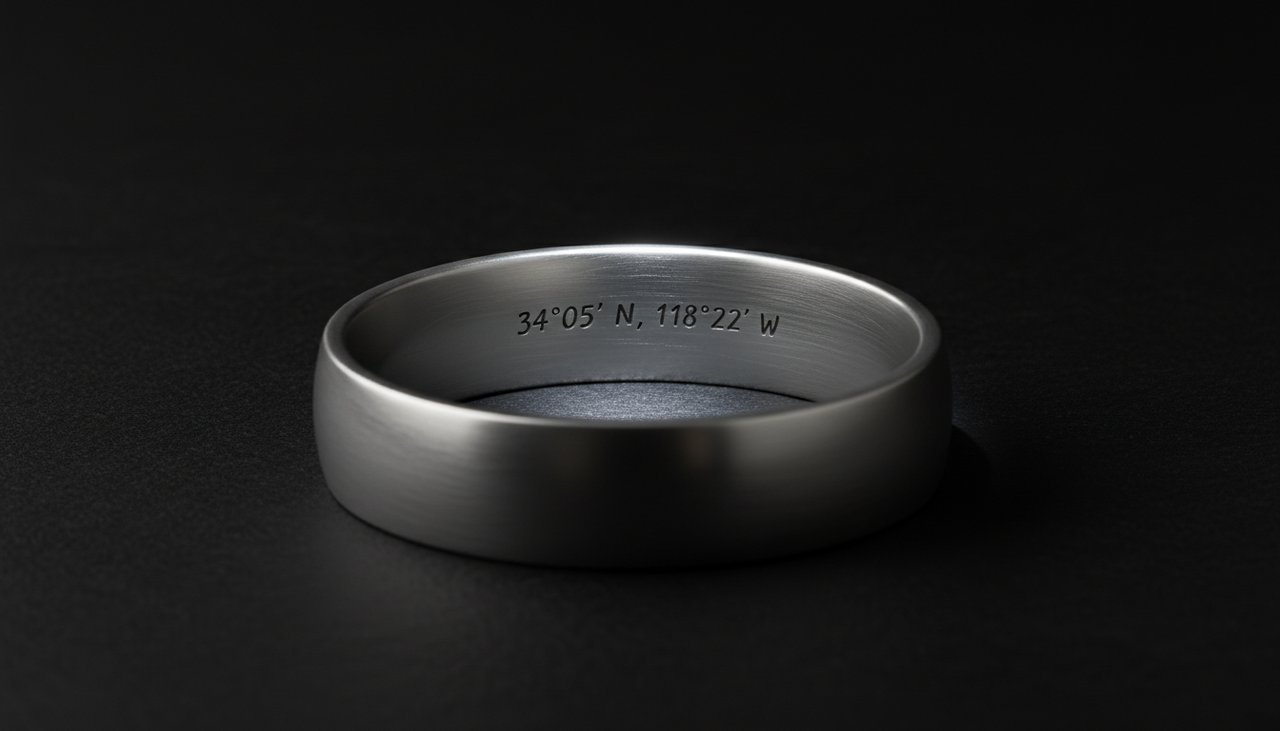
The final step happens away from the noise of the motors. I clamp the finished piece into a steel block and take out a sharp graver. The surface I am working on is not the face of the ring, but the inside curve—the part that rests against the body.
I cut a few deliberate lines into the metal. It might be a date, a coordinate, or a single letter. When the ring is worn, this engraving is pressed directly against the skin, hidden from everyone else. This small detail changes the nature of the object entirely. A heavy skull might look like a display of aggression to a passerby, but the hidden mark proves it is actually a private anchor.
We do not wear these intimidating shapes to project menace outward. We wear them to keep a specific strength close to the body, a quiet contract between the weight of the metal and the hand that carries it.
I wipe the last traces of polishing compound from the silver skull with a soft cloth. The cold metal I started with has been heated, cut, blackened, and scraped back to a high shine. Its direct stare and its dark recesses no longer ask a question. They provide a physical answer. The object is a tool forged out of the necessity to endure.
The next time you pick up a heavy piece of metal, feel its density settle against your palm. What are you choosing to carry? And more importantly, why?
Frequently Asked Questions
The physical weight anchors formless anxieties, giving them a tangible boundary. This density provides a constant, blunt pressure, making shapeless dread easier to carry. It transforms an abstract burden into a defined presence.
Wearing a traditionally intimidating motif declares mastery over that shape. The symbol becomes subject to your will, acting as a ward of protection. It signifies your command over the very thing once feared.
Oxidation introduces depth, turning silver black in crevices. This controlled darkness acknowledges shadows, while polishing reveals raw silver on high points. It dictates where light strikes, making the shadow a known quantity.
A hidden engraving on the inside of the piece creates a private anchor. It transforms an outwardly intimidating shape into a personal contract. This small detail keeps a specific strength close to the body.
Avoid harsh chemicals and abrasive cleaners, as they can remove the dark patina. Gently wipe with a soft, dry cloth to maintain its finish. For deeper cleaning, use mild soap and water, then pat dry immediately.
The oxidized finish, or patina, can naturally wear over time, especially on high-contact areas. This wear is part of its character, revealing the raw silver beneath. Regular care helps preserve its distinct appearance.
A skull design, when worn, functions as an internal anchor for mindset and resilience. It serves as a tangible reminder of focus and strength in facing life's challenges. The design is a psychological tool, not an external charm.