A mark on silver is not automatically a flaw, but it is worth reading before deciding what to do with it. A fine surface scuff, a softened edge, and a deep groove that catches on fabric are different kinds of wear. The right response depends on the finish, the location of the mark, and whether the piece remains comfortable to wear.
First, tell wear from damage
Fine lines that appear only in direct light are usually ordinary surface wear. They often soften into the surrounding finish with time. A mark that is deep enough to feel with a fingernail, a bent band, a loose stone setting, or a sharp edge deserves a jeweller’s inspection. Those are functional questions, not merely cosmetic ones.
Look at the piece in daylight and then in raking light from the side. This makes it easier to see whether you are looking at a change in color, a shift in texture, or an actual displacement of metal. It also helps prevent a common mistake: polishing a textured finish until the affected area becomes shinier than the rest.
How different finishes show use
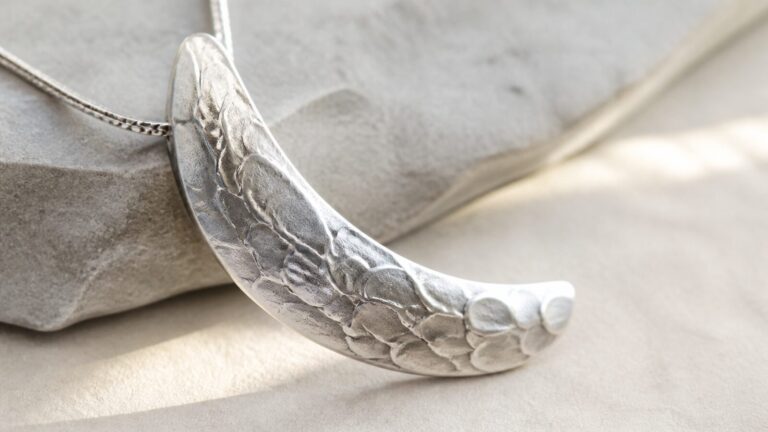
Mirror-polished silver reveals fine scratches quickly because each line interrupts a clear reflection. Matte and brushed finishes hide some marks, but their high points can gradually become smoother where they rub against skin or fabric. An oxidized finish may lighten on raised areas first, while recessed areas stay darker. These changes can make the form more legible; they do not, by themselves, indicate that the piece is failing.
Wood details age differently. Wood responds to humidity and handling, so it should be kept dry and away from prolonged soaking or abrupt changes in environment. Do not assume that oil, wax, or a household polish is a universal remedy: a finish should be chosen for the particular wood and construction.
Let the design set the threshold
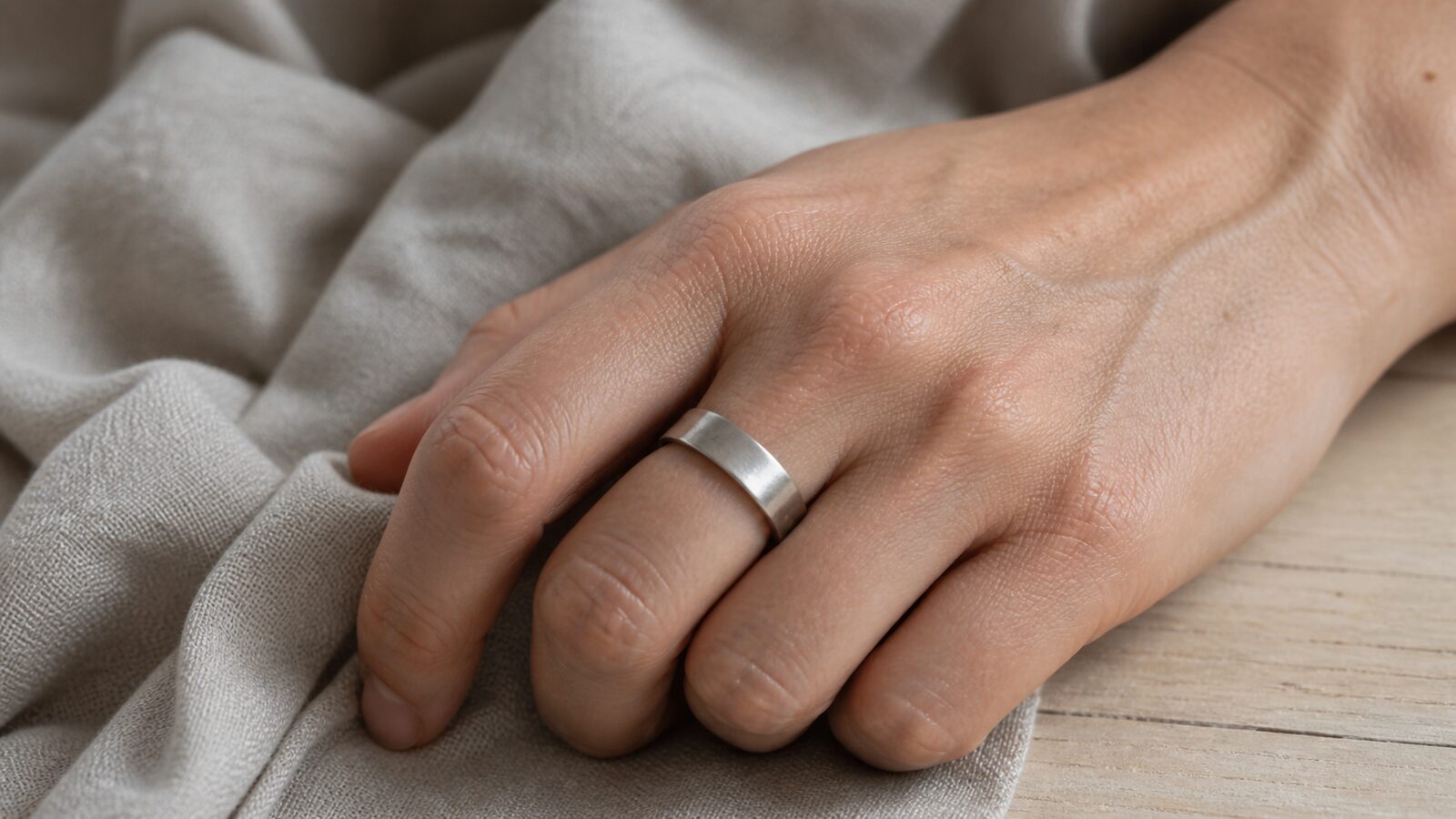
A plain, bright band has a different visual threshold from a deeply textured pendant. On a polished surface, a single broad scratch may interrupt the line of the design. On a hand-brushed surface, a small new line can disappear into the directional grain. On a piece with darkened recesses, brightening at raised points may be part of the intended contrast. Looking at the whole object—not only the newest mark—is the most reliable way to decide whether a repair would improve it.
Wear also tends to collect at predictable points: the underside of a ring, the edge nearest a clasp, the portion of a pendant that rests against another necklace, or the raised corners of a cuff. This does not make every mark desirable, but it helps explain why a piece can develop an uneven surface while its structure remains sound.
When it is worth leaving a mark
A small mark in a place that does not catch, weaken, or irritate can be left alone. It becomes part of the surface rather than a defect to erase. This is especially true when the piece was designed with a brushed, matte, or oxidized character: constant polishing can flatten the contrast that gives the design its definition.
Leaving a mark is a visual choice, not a rule. If the scratch dominates the object, if it breaks a clean line you care about, or if it reminds you of an impact that may have distorted the metal, repair is sensible. Good repair respects the intended finish instead of making one area look newly bright.
Repair without erasing character
A professional repair can range from softening an isolated sharp edge to restoring the profile of a bent band or resetting a stone after impact. The brief matters. Saying that a piece is matte, brushed, oxidized, or deliberately irregular helps a jeweller choose a sympathetic finish. If possible, provide a clear image of the piece when new or point out an untouched area that shows the intended surface.
It is reasonable to ask whether repair will change the pattern, darkened areas, or dimensions. Some work necessarily removes a small amount of material or alters a finish. A good decision weighs that intervention against the problem being solved: snagging, discomfort, a compromised setting, or a line you genuinely want restored.
Simple care between professional cleanings
- Wipe silver with a soft, clean cloth after wear and store it separately to reduce rubbing against other jewelry.
- Avoid swimming, cleaning, gardening, or gym sessions while wearing pieces that could be exposed to chlorine, abrasives, impact, or trapped moisture.
- Do not use abrasive pads, toothpaste, or vigorous polishing on matte, brushed, or oxidized surfaces.
- Have a jeweller check a piece after a hard impact, especially if a setting, clasp, or edge has changed.
Wear can clarify a piece
Objects that are used develop a surface history. The goal is not to romanticize every scratch; it is to distinguish the harmless evidence of use from the changes that need attention. That leaves room for a piece to feel lived with while still being cared for properly.
References
- Smithsonian Museum Conservation Institute: A comparative study of silver cleaning abrasives — context on the trade-off between cleaning silver and preserving its surface.
- Canadian Conservation Institute: Basic care for furniture and objects made of wood — background on wood, humidity, finishes, and careful cleaning.
Frequently Asked Questions
No. Fine surface scratches are normal wear. A deep groove, sharp edge, bent form, loose setting, or snagging surface should be inspected by a jeweller.
It can, but ordinary polishing may brighten or remove the intended texture. Ask a jeweller to match the original finish.
Keep them dry, avoid chemicals and prolonged soaking, and use only the finish care recommended for that particular piece.