My thumb swiped across the glass, a repetitive motion that left no mark. The light from the screen felt thin, and my mind was a chaotic room filled with overlapping digital voices. I set the phone down on the desk, acutely aware of a lingering numbness in my fingertips. I needed something with weight—something that did not demand a response or ask for a fraction of my bandwidth.
The First Encounter
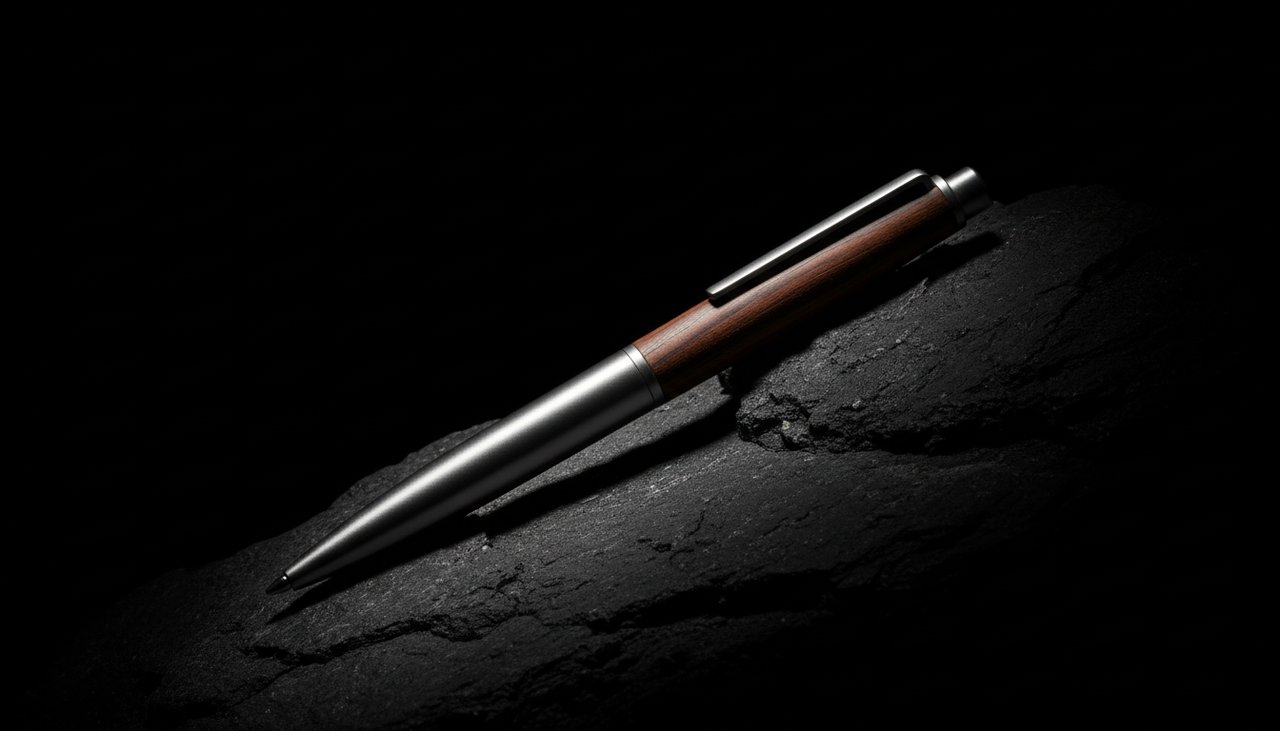
I reached out and picked up the pen resting near my keyboard. The first thing was the weight. It pulled my scattered focus downward into the muscles of my hand—a result of density, the physical reality of solid metal and slow-grown timber.
The metal section was cold. A raw chill that resisted the warmth of the room. Right next to it, the wooden segment offered an immediate contrast, holding a subtle, ambient warmth. One material pushed back; the other invited contact. I rolled the object slowly between my fingers, feeling the exact seam where the silver met the wood. It was a physical boundary I could map blindfolded. The simple act of tracing this line became a quiet exercise in paying attention.
A Language of Surfaces
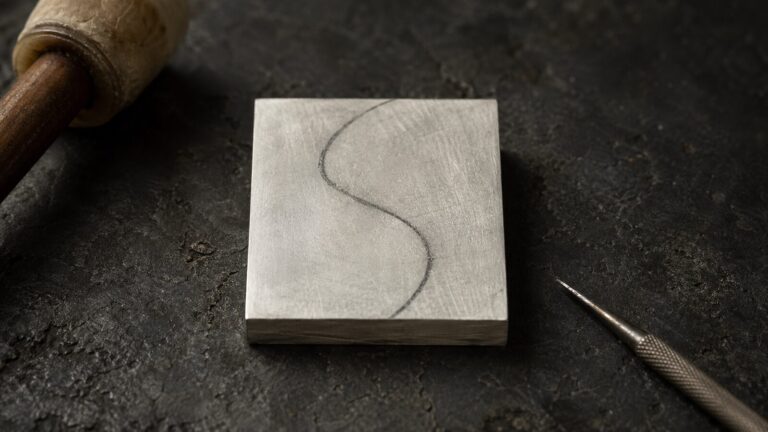
I moved closer to the window to examine the surfaces under natural light. The hand-polished matte silver did not act like a mirror. Instead of reflecting the room back in distracting detail, it diffused the light into a soft, hazy glow. This finish is the result of a specific labor: the craftsman uses a sequence of abrasives—moving through 400-grit, 800-grit, and 1200-grit—stopping exactly before the metal turns reflective. You can almost see the microscopic record of that human effort in the way the surface holds the light.
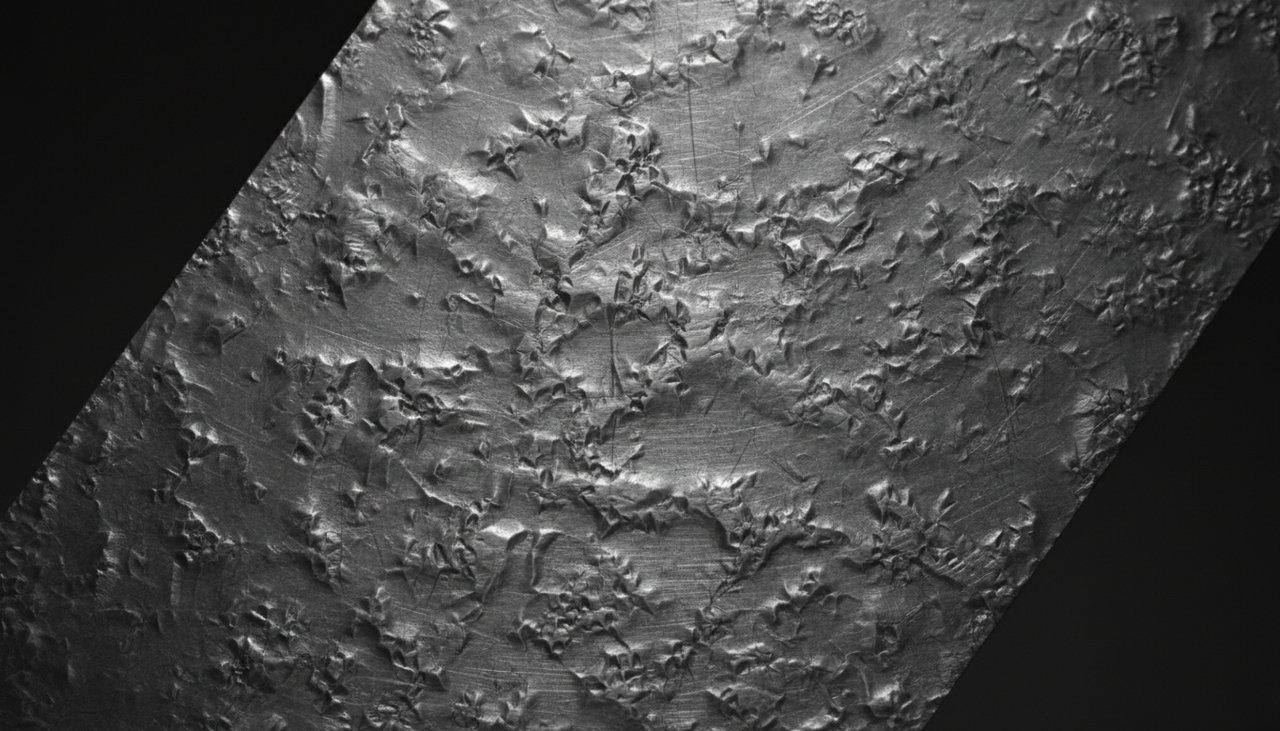
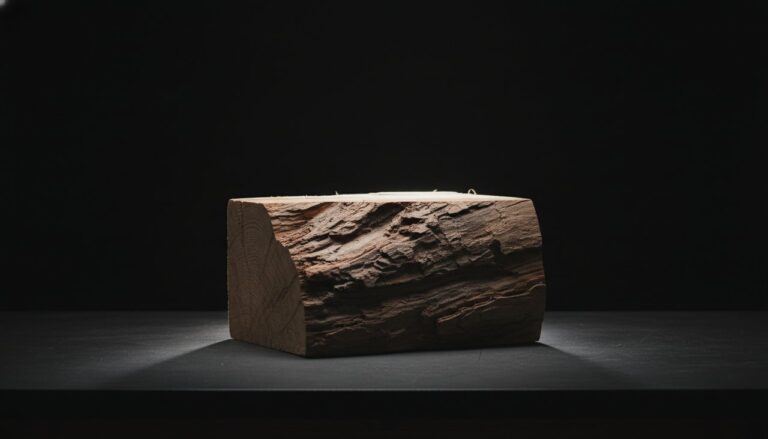
The silver’s muted reflection felt like a physical model for mental restraint. It suggested a way to receive the world without reacting sharply to every single input. Then my thumb traced the wood. The grain was tight and irregular—a tactile map of survival in a harsh climate. Every ridge and valley under my skin told a story of resistance. Where the silver was uniform, the wood was entirely unique.
True stillness is not the absence of texture, but the willingness to feel the grain of the present moment.
The Patina of Time
Materials that speak to us rarely remain static. Over the past few months, the pen has begun to change in two distinct directions.
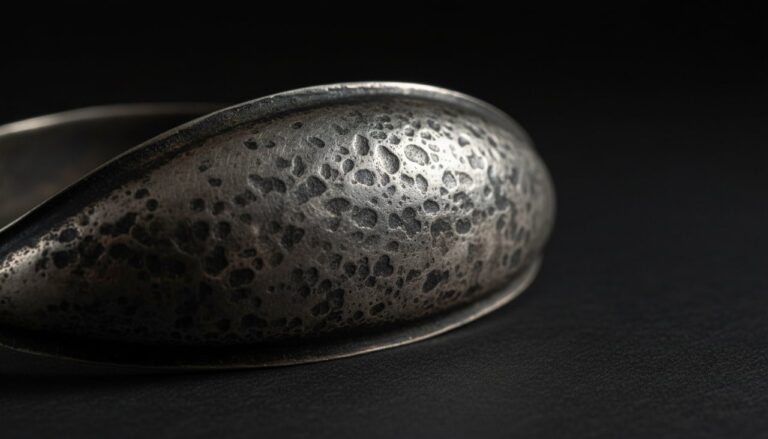
The silver has developed darker pockets of oxidation in the crevices—the metal reacting to the air and the salt of skin—while the raised edges have grown brighter from daily friction. This contrast is the visible result of the back-brushing technique: a stiff brush pulled across the surface draws darkness away from the highlights, leaving depth in the valleys and clarity on the peaks.
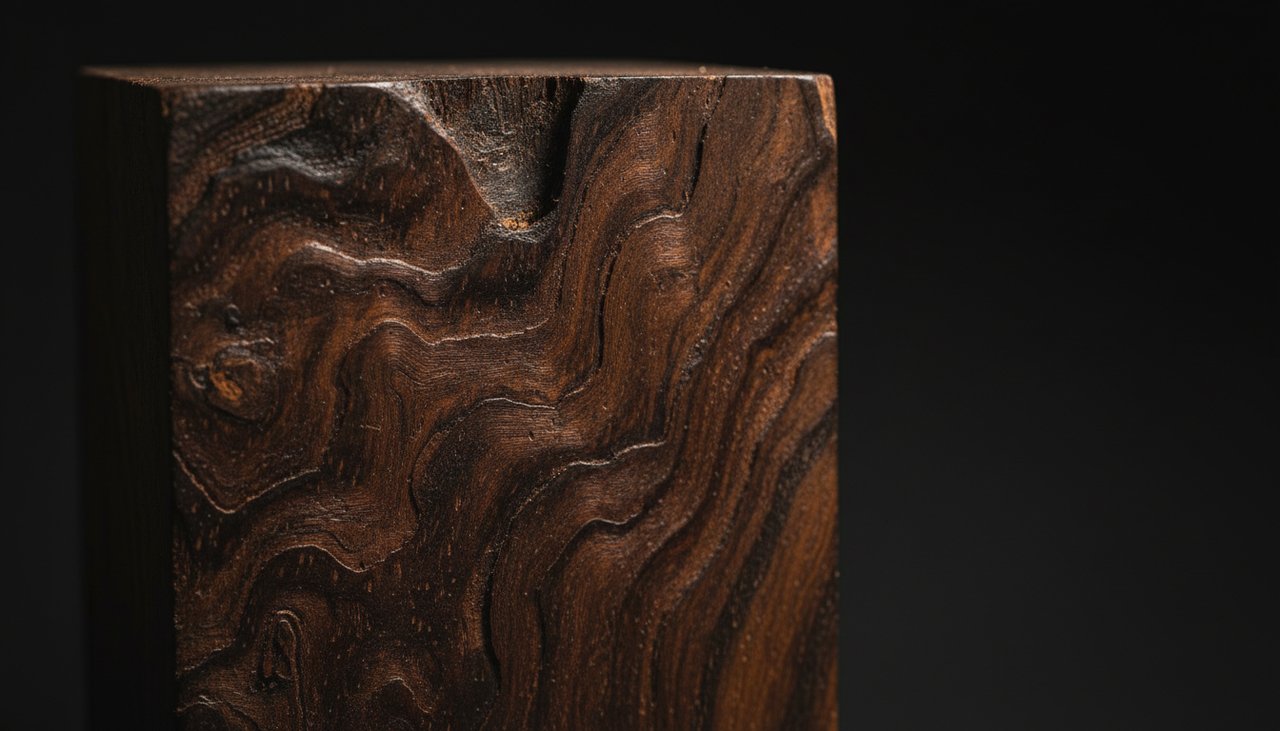
The wood moved differently. Highland Walnut—a species with a Janka hardness of around 1010 lbf and a naturally high oil content in its cellular structure—slowly absorbed the oils from my skin. What began as a pale, dry surface deepened into a richer, darker hue. The oil did not sit on top of the grain; it entered it, filling the same microscopic channels that make this species resistant to warping and cracking under daily use.
These changes were not decay. The object was becoming a tangible ledger of my attention. Every time I reached for it instead of my phone, I was adding a microscopic layer to its finish. Resilience is much like this slow physical change—not about remaining untouched by your surroundings, but about allowing the environment to shape your edges while maintaining your core density.
An Anchor in the Noise
I still spend hours in front of screens, and the urge to distract myself remains. But the texture of my routine has shifted. When the mental static grows too loud, I look for the pen on my desk. My quiet ritual involves three deliberate steps: feeling the immediate chill of the silver, tracing the irregular grain of the wood, and allowing my breathing to sync with the movement of my hand.
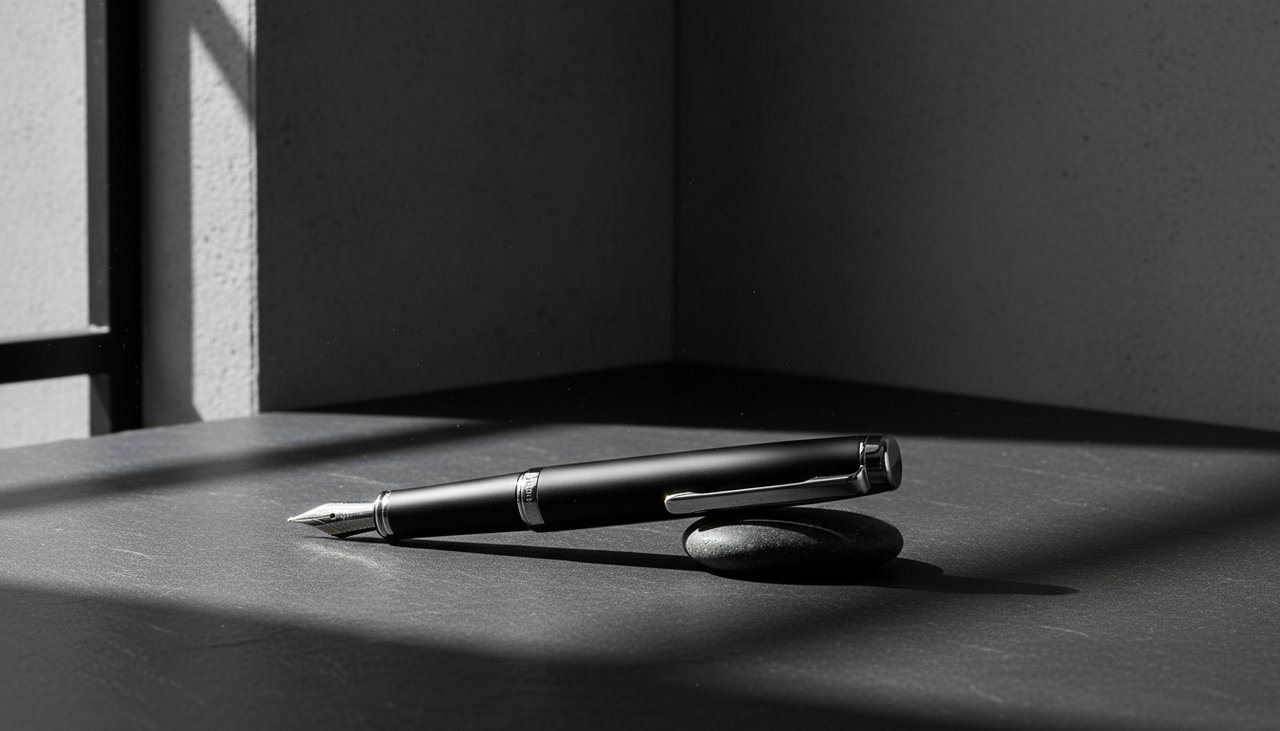
It is a small, private routine. It does not solve complex problems, but it offers a definitive physical boundary. The contrasting surfaces remind me that I occupy a body, and that the physical world possesses a quiet gravity the digital world lacks.
Frequently Asked Questions
It's a finish achieved through precise abrasive work, stopping just before the metal turns reflective. This process diffuses light into a soft glow, rather than mirroring, embodying a sense of visual and mental restraint. You can almost see the microscopic record of human effort in its surface.
Over time, matte silver develops darker oxidation in crevices and brighter, polished edges from daily friction. This natural process creates depth, often enhanced by a "back-brushing" technique. The object becomes a tangible ledger of its interaction with its environment.
Highland wood is a dense timber chosen for its tight, irregular grain, reflecting its resilience in harsh climates. It offers a subtle warmth, providing a tactile contrast to the cool metal. Its unique texture tells a story of endurance.
The wood slowly absorbs natural oils from your skin, gradually deepening its hue and becoming richer over months of use. This transformation makes it a living record of your interaction and grip. It gains character and depth, not decay.
The contrasting cold silver and warm wood provide distinct tactile feedback, drawing attention to the present moment. Their weight and varied textures offer a physical anchor against mental distraction. This tangible interaction helps center the mind.
For matte silver, a soft, dry cloth is usually sufficient for daily care. Avoid abrasive cleaners or polishing cloths, which can alter the unique finish. Gentle wiping preserves its diffused light quality and intentional texture.
The wood naturally develops a richer patina from contact with skin oils, requiring minimal specific care. Avoid prolonged water exposure or harsh chemicals that could dry it out. A dry cloth can remove dust from its surface.
Essentialist design focuses on core purpose and structural beauty, stripping away excess. It emphasizes honest materials and forms that serve as anchors for mental clarity and intention. This approach values depth and meaning over superficial adornment.
Non-reflective surfaces, like matte silver, diffuse light rather than mirroring it, promoting visual calm and restraint. This aesthetic choice encourages inward focus rather than external distraction. It aligns with a desire for quiet contemplation.
Estovio objects, crafted with modern Eastern aesthetics and essentialist principles, are available directly through our official website. We focus on high-density materials designed as anchors for mindset and resilience.