Wood jewelry changes because wood is a living material long after it has been shaped. Light, handling, and the humidity around it can deepen its color, soften a finish, or alter the way the grain appears. These changes are part of its character, but they also call for uncomplicated, attentive care.
What changes first
Wood often looks different after regular wear. Areas touched most frequently can become smoother, while lighter or exposed areas may gradually shift in color. The exact result depends on the species, cut, finish, and environment, so no honest care guide can promise one universal patina or timetable.
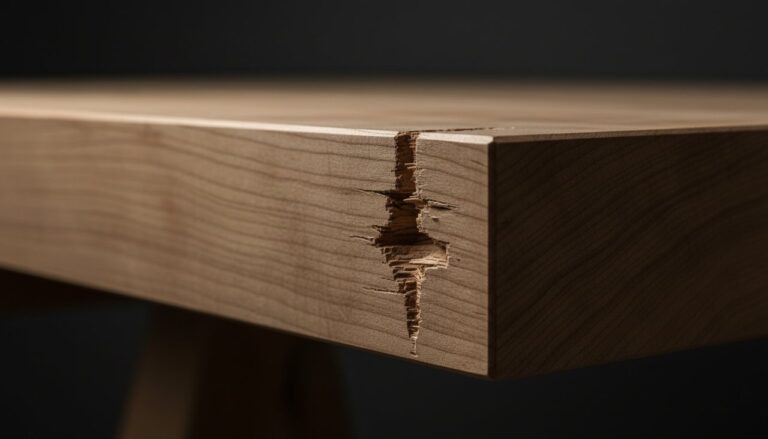
Humidity matters more than a dramatic origin story. Wood absorbs and releases moisture as its surroundings change. Large or repeated swings can contribute to movement, splitting, or stress in wood and in the joints that hold a piece together. For jewelry, the practical response is simple: keep wood away from prolonged water exposure and let it dry naturally if it gets damp.
Finishes are part of the material story
A finish may leave the grain feeling close to the hand, add a soft sheen, or create a more protective film. None of these approaches is automatically superior. The right choice depends on the wood, the design, and the intended use. A finish can improve cleanability and appearance, but it does not make a wood object indifferent to water, heat, or sudden environmental change.
This is why home remedies are risky. Oils, waxes, and household polishes may change the appearance of a surface or leave a build-up that is difficult to reverse. If a wood detail looks dry, rough, stained, or loose, it is better to ask the maker or a qualified repairer what finish is appropriate for that specific piece.
What not to do
Do not dry a wet wood piece on a radiator, with a hair dryer, or in direct sun. Fast heat can make a small amount of moisture leave unevenly and may stress the wood or its join with metal. Do not soak it, put it through ultrasonic cleaning, or use alcohol and strong solvents unless the maker has confirmed that the finish can tolerate them.
It is also wise to separate “cleaning” from “restoring.” Dust or light handling residue can usually be addressed with a soft dry cloth. A lifted finish, a crack, or a joint that moves when gently pressed is a repair question. Adding more oil or wax may conceal the issue temporarily while making later repair less predictable.
Everyday care for wood jewelry
- Remove wood jewelry before showering, swimming, exercising heavily, or washing dishes.
- Keep it away from perfume, hair products, household cleaners, and long periods of direct sun or heat.
- Wipe it gently with a soft, dry cloth after wear; if it becomes damp, let it air-dry at room temperature.
- Store it where it will not rub hard against metal jewelry or sit in a persistently damp environment.
- Seek professional advice for cracks, movement at a metal joint, or a finish that has begun to lift or feel tacky.
Choosing with daily wear in mind
Wood is a good fit for jewelry when its limits are part of the decision. It suits someone willing to remove a piece before water-heavy activities and to accept small changes in tone and feel. It may be less suitable for a routine that demands one item survive every shower, workout, and cleaning task without thought. That is not a shortcoming; it is a material choice.
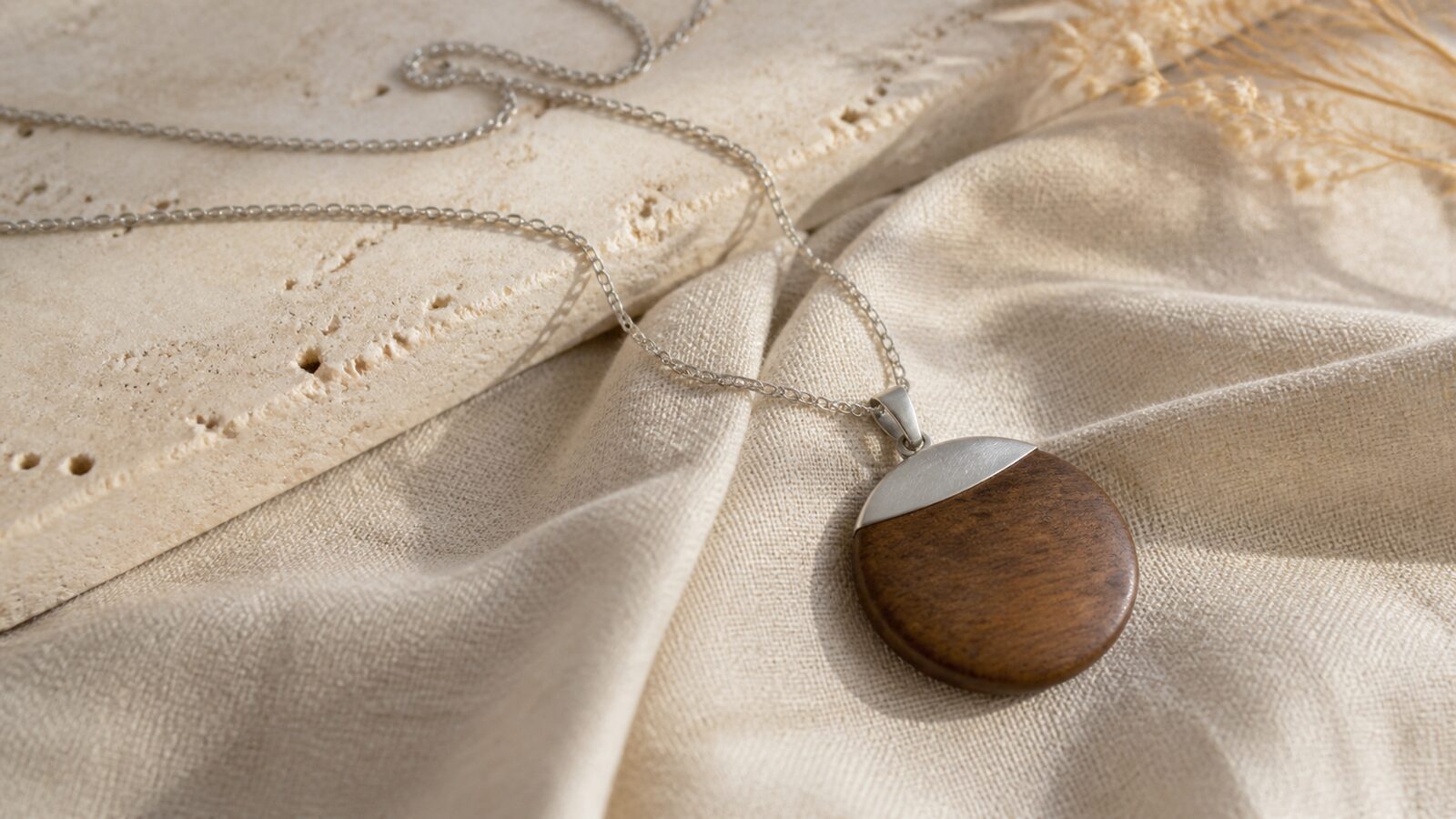
When selecting a wood-and-silver object, examine the transitions. The grain should look intentional, the wood should sit securely in its setting, and the metal should protect vulnerable edges where that makes sense. Those construction details matter more than any generalized claim about a wood’s origin or density.
Wood beside silver
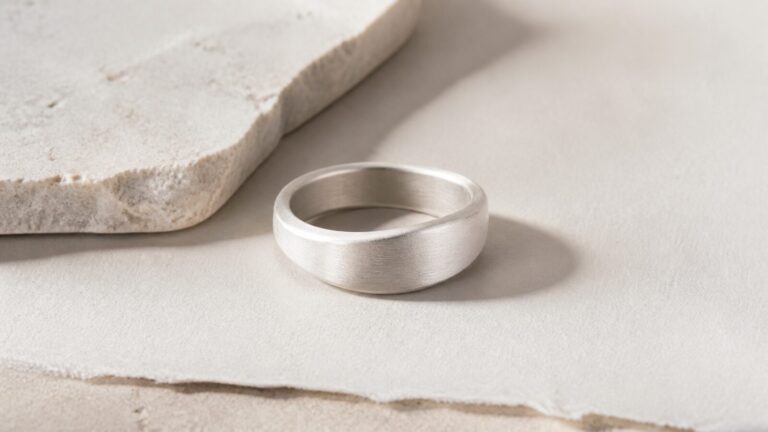
Wood and silver offer contrasting ways of holding light. Silver can appear cool, crisp, and reflective; wood tends to absorb light and reveal its grain more slowly. A restrained combination lets both materials stay legible. The metal provides structure, while the wood brings variation that cannot be repeated exactly from piece to piece.
A surface that remains individual
Good care does not mean keeping wood unchanged. It means protecting the construction while allowing ordinary handling to give the piece a more personal surface. Over time, the grain, tone, and finish may become more familiar—not because the object follows a prescribed story, but because it has been worn.
References
- Canadian Conservation Institute: Basic care for furniture and objects made of wood — guidance on humidity, finishes, and routine care for wood objects.
- USDA Forest Products Laboratory: Chapter 16, Finishing wood — background on wood finishes, appearance, protection, and cleanability.
Frequently Asked Questions
Yes. Grain, color, and surface feel may change with handling, light, humidity, finish, and the type of wood.
Brief accidental moisture should be dried gently, but wood jewelry should be removed for showering, swimming, and other prolonged exposure to water.
Not without guidance from the maker or a qualified repairer. Different woods and finishes respond differently, and unsuitable products can leave residue or alter the surface.