Look at the inner band of a silver ring that has been worn for two or three years. The outside is dark—the maker’s oxidation, deep and even in the recesses. The inside is a different story. There is a strip of lighter silver running along the contact zone, not polished by any tool, not treated after the fact. That brightness was not designed into the piece. It was put there by the person who wore it, without noticing, over thousands of ordinary days. The outer surface tells you what the maker handed over. The inner band tells you who actually lived with it afterward. Silver holds both records at once, and if you know where to look, you can read them separately.
The Living Language of Silver
In Japanese aesthetics, the philosophy of Kintsugi suggests that a break is not the end of an object. It is a tangible event in its history, a concept known as Mono no aware, or the quiet observation of time passing. When we look at oxidized silver, we see a similar process. The darkening metal is not decaying; it is building a chemical resumé.
Anthropologists use the term use-wear traces to describe the marks left on artifacts by human hands. On silver jewelry, this appears as a specific chemical reaction. The metal acts as a reactive surface, recording the unique biological signature of whoever wears it.
This is not about spiritual energy, but pure chemistry meeting daily physical contact. This process turns a standard piece of silver into a personal record. The object becomes a concrete witness to your daily life.
Your Body’s Unique Chemical Dialect
The surface of a silver ring worn for a year reveals your specific physiological makeup. Skin pH levels determine the exact tone and pace of the oxidation process.
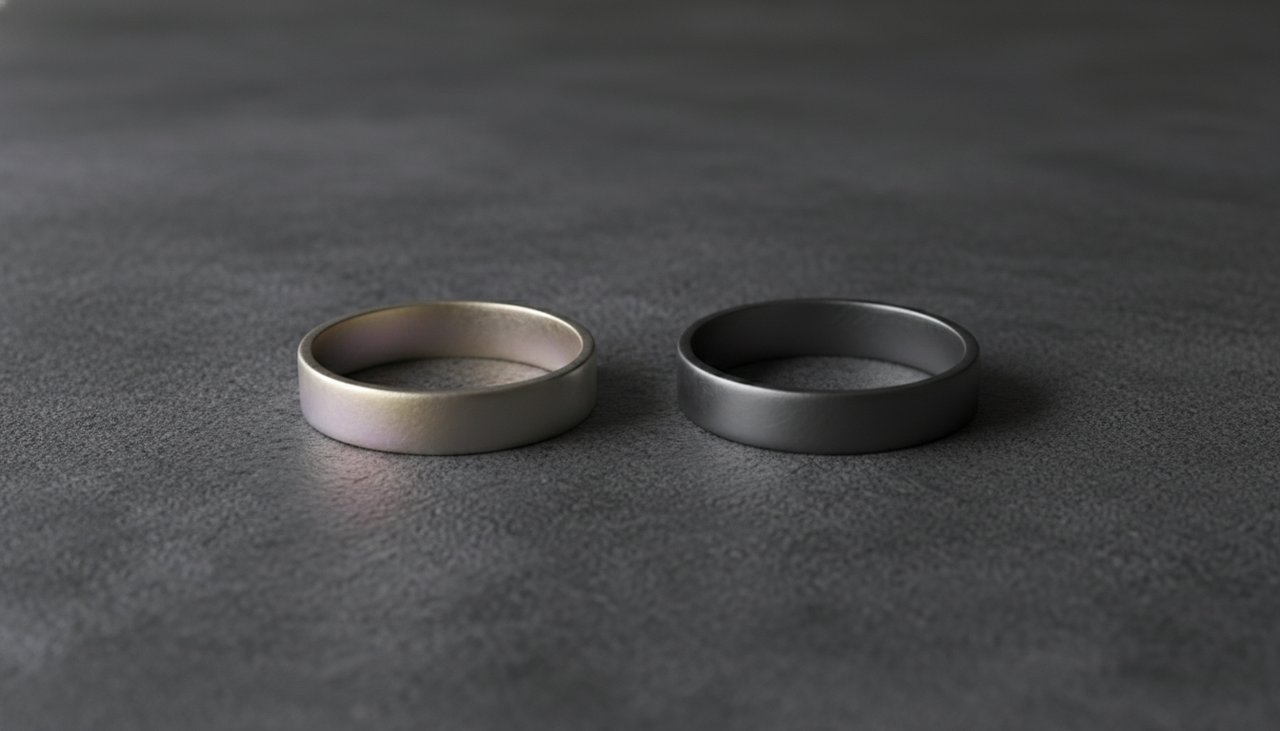
Wearers with acidic skin (pH 5.5 to 6.5) trigger a slower chemical reaction. This environment creates a varied surface as acids react slowly with the metal alloy. On these pieces, you will often see:
- Golden tones along the curves
- Deep purple or blue shades in the grooves
- Faint iridescent colors across flat surfaces
The alloy composition adds another layer to this. In 925 sterling silver, the 7.5% copper content reacts alongside the silver. On acidic skin, that copper is largely responsible for the golden and purple tones—it oxidizes at a different rate, producing a wider color range than silver alone. Fine silver (999 purity) contains no copper. On identical skin chemistry, it develops a more uniform grey: the reaction is slower, and the visual variation is narrower.
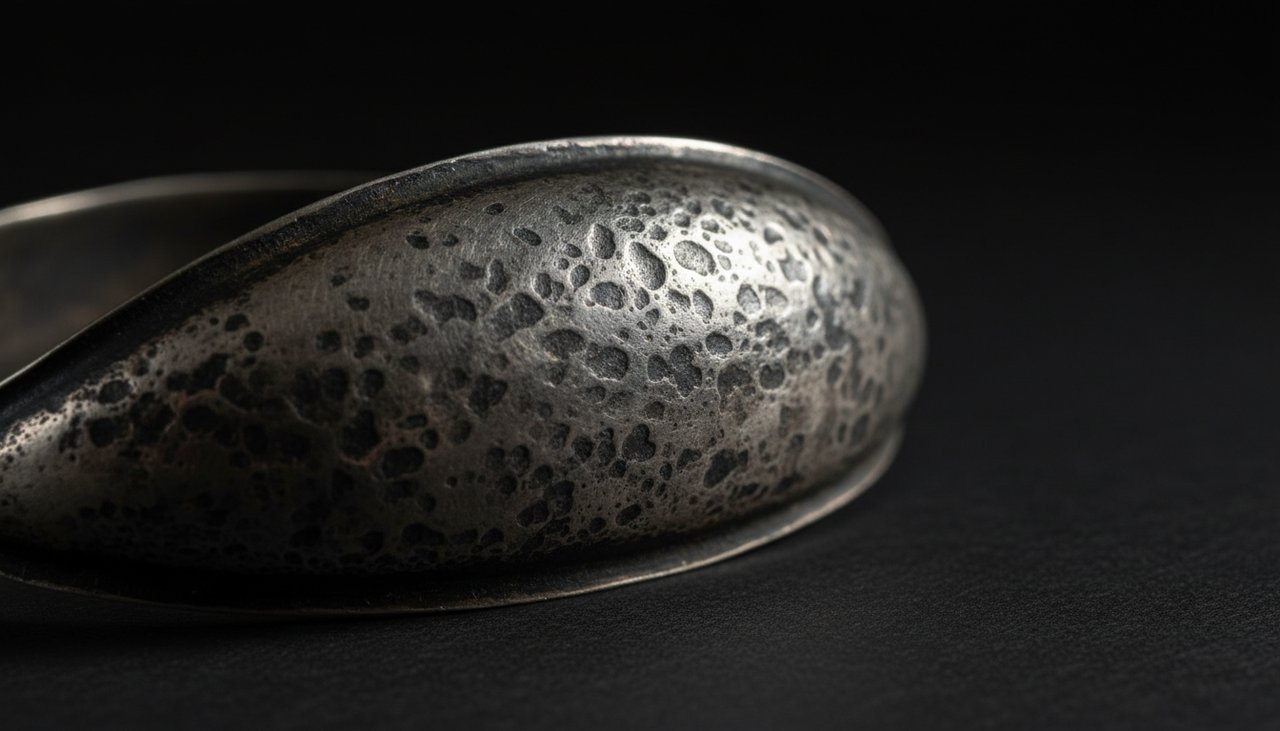
Conversely, alkaline skin (pH 7.2 to 7.5) speeds up the sulfidation process. A ring on this skin will skip the multicolored phase and develop a uniform charcoal-grey patina within one or two years. This darker finish often has a slight oily sheen because the alkaline interaction seals the outer layer of the metal.
What is sulfidation? It is the reaction between silver and sulfur compounds present in sweat, air, and organic materials. The product is silver sulfide (Ag₂S)—a stable compound that bonds directly to the metal surface rather than flaking away. Unlike rust on iron, silver sulfide does not erode the structure beneath it. It is the chemical engine behind all natural silver patina, and the same layer that, over time, physically hardens the surface it covers.
The Timeline of a Shared Story
The maturation of matte silver follows a predictable path. It is similar to how a leather book binding slowly adjusts to the grip of its reader. After one month of daily wear, the microscopic texture of the matte finish begins to smooth out. High-contact points that brush against clothing or skin develop a soft, silky glow.
By the third month, the visual contrast becomes much clearer. The deeper parts of a design, untouched by friction, accumulate sulfur and turn dark grey. This creates a natural light-and-shadow effect that highlights the original marks made by the maker.
Between three and six months, the silver reaches a settled state. The most significant change is how the metal feels. As natural skin oils fill the microscopic pores of the metal, the dry, sanded texture disappears, replaced by a dense, warm surface.
Reading the Marks of Habit and Place
Biology is only part of the story recorded on the metal. Your daily routines and environment write the rest. If you hold an older ring to the light, you will see distinct zones of wear. The inner band and outer edges are usually polished to a mirror finish by constant, unconscious friction.
It is helpful to distinguish between a lived-in surface and simple neglect. A healthy patina shows as a tight grey in the recesses, contrasted by a satin shine on the high points. Unwanted tarnish looks like a dull, sticky yellow film caused by leaving the piece in a humid, stagnant space.
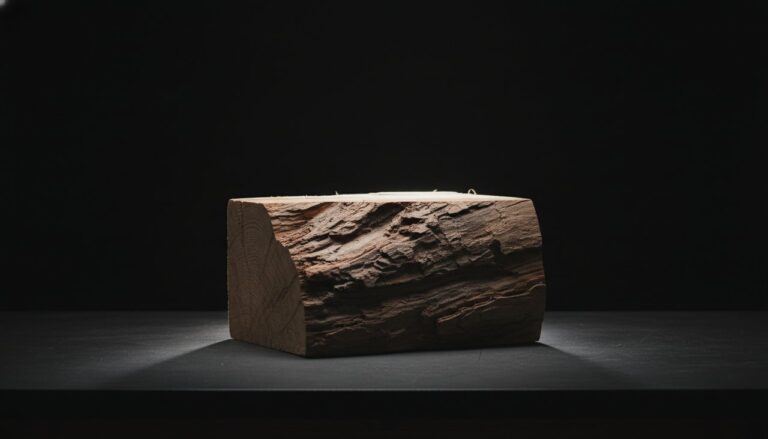
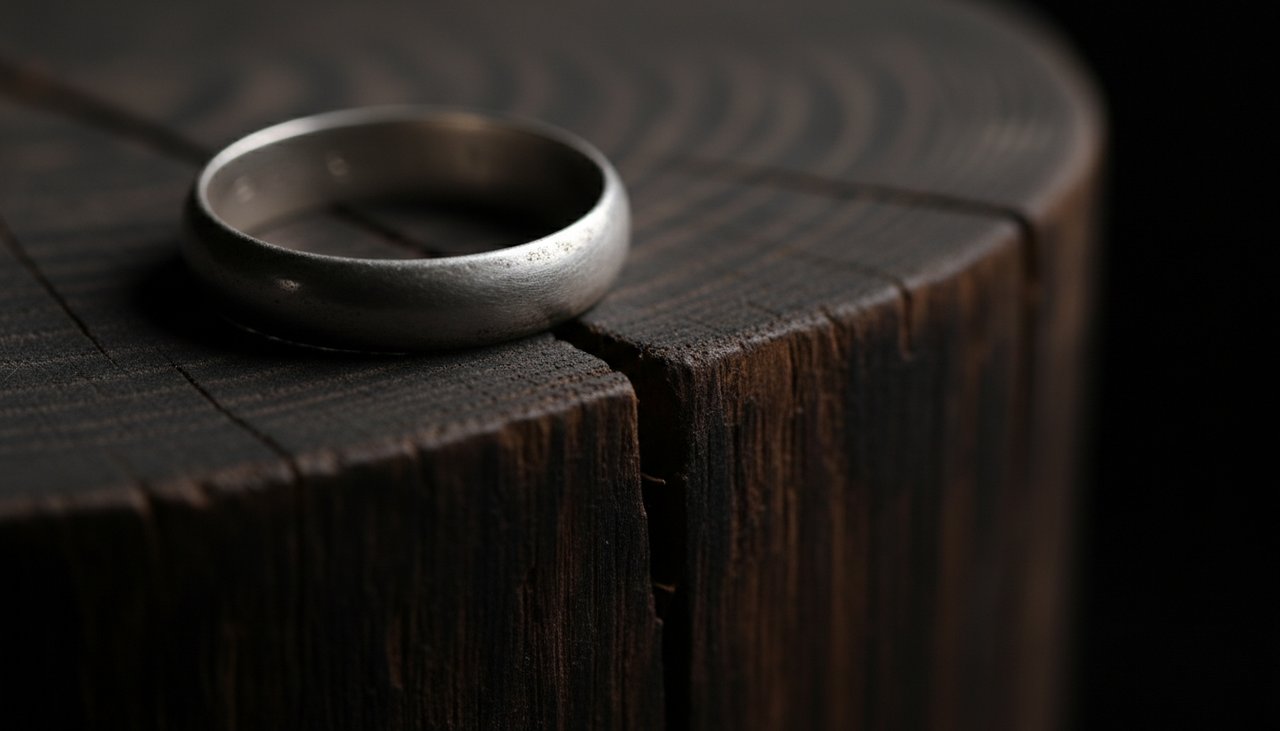
When silver touches hardwood, a unique aging occurs. Wood oils migrate into the silver over months of wear. This creates a soft, amber-colored transition where the two materials meet, blurring the line between metal and timber.
A Conversation Not a Conquest
Using harsh chemical cleaners to erase these marks is like removing pages from a diary. Maintaining an old object is about curation rather than aggressive restoration. Stripping the metal removes the chemical history that connects the piece to its owner.
The marks of wear are not flaws to be corrected; they are the physical proof of an object’s integration into human life.
Experts suggest leaving the inner recesses of jewelry alone. Allowing these areas to darken naturally over a year creates a stable, protective film. This layer acts as a barrier, protecting the deeper metal from more corrosive elements in the future.
The durability of this natural process is better than any artificial treatment. A natural patina bonds with the metal structure through slow chemical growth. Because of this, the darkened surface physically fortifies the object, making it harder than artificial blackening. You are not just changing how the silver looks; your touch is making it stronger.
Frequently Asked Questions
Silver patina is the natural darkening of the metal surface due to chemical reactions with your unique body chemistry and environment. It records the specific history of how the piece has been worn over time. This process is a visible testament to the object's integration into your daily life.
Yes, your skin's pH significantly influences the tone and pace of silver oxidation. Acidic skin (pH 5.5-6.5) typically results in varied golden, purple, or iridescent shades. Alkaline skin (pH 7.2-7.5) often leads to a more uniform, faster developing charcoal-grey patina.
Microscopic texture smoothing begins within a month of daily wear, creating a soft glow on high-contact points. By three months, deeper parts of the design darken, highlighting the maker's original marks. Between three and six months, the silver settles into a dense, warm surface as natural oils fill its pores.
Yes, allowing the inner recesses to darken naturally creates a stable, protective film. This layer acts as a barrier against corrosive elements, physically fortifying the object. A natural patina bonds with the metal structure, making the silver stronger than artificial treatments.
For dull, sticky yellow film (tarnish), a gentle buff with a soft cloth is often sufficient. Avoid harsh chemical dips, which strip away the natural patina that tells your silver's story. Focus on carefully removing surface grime while preserving the deep, aged character.
Matte silver offers a restrained, non-reflective surface that deepens in character with wear. Unlike polished silver, its subtle texture encourages the natural development of patina, which becomes a unique record of your interaction. This emphasizes an essentialist aesthetic of quiet strength.
Yes, matte silver is designed for daily wear, and its durability is enhanced by the natural patina it develops. This unique surface layer not only records your personal history but also provides a protective barrier. It is intended to be a resilient companion on your journey.
When silver jewelry is worn alongside or interacts with hardwood, wood oils can migrate into the metal over time. This creates a unique, soft amber-colored transition where the materials meet. It subtly blurs the line between the two, adding a rich, natural depth to the piece.