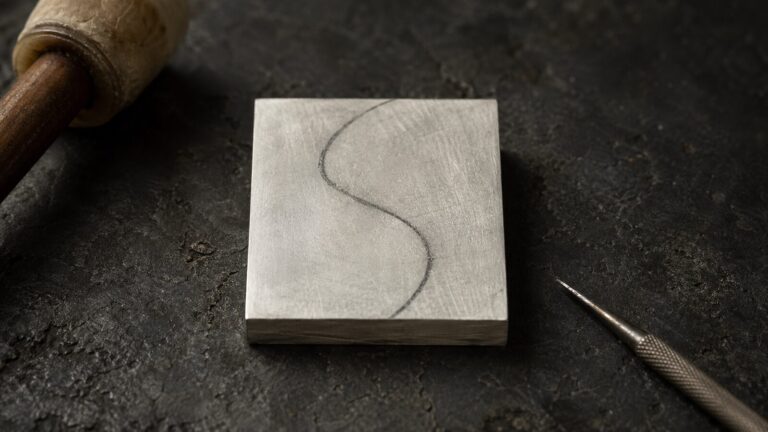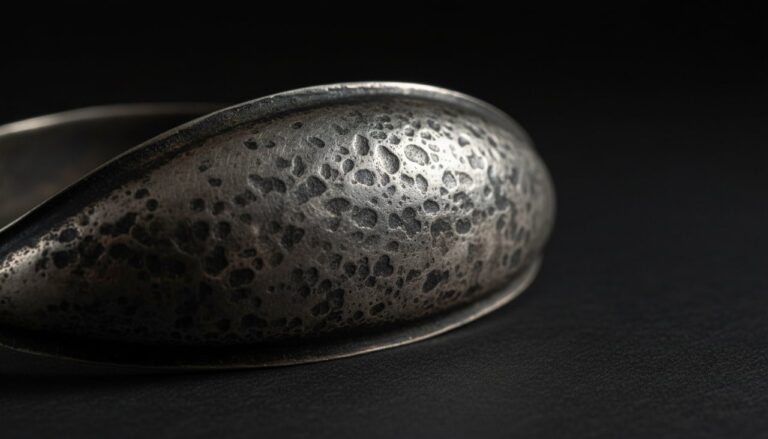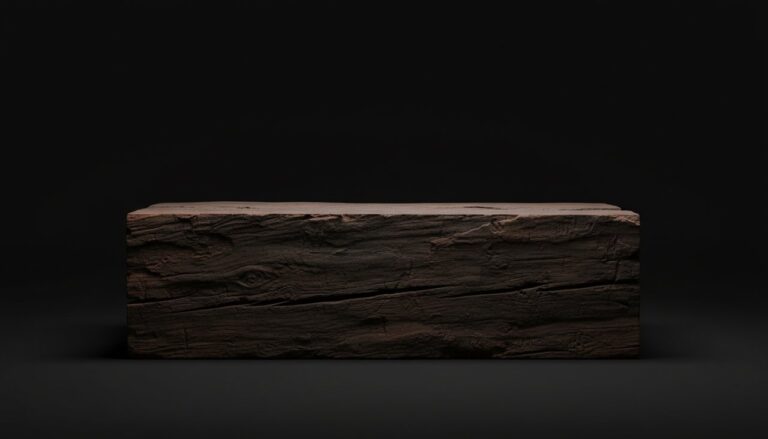
A hand lifts a section of timber from the shadowed corner of a workbench. Three months have passed since it was brought down from altitude. The surface catches a muted glint on a ridged edge that was entirely dull in the spring.
The tactile sensation has shifted. The wood sits heavier in the palm, its internal structure seemingly denser. This initial span of time off the mountain is the Acclimatization Period.
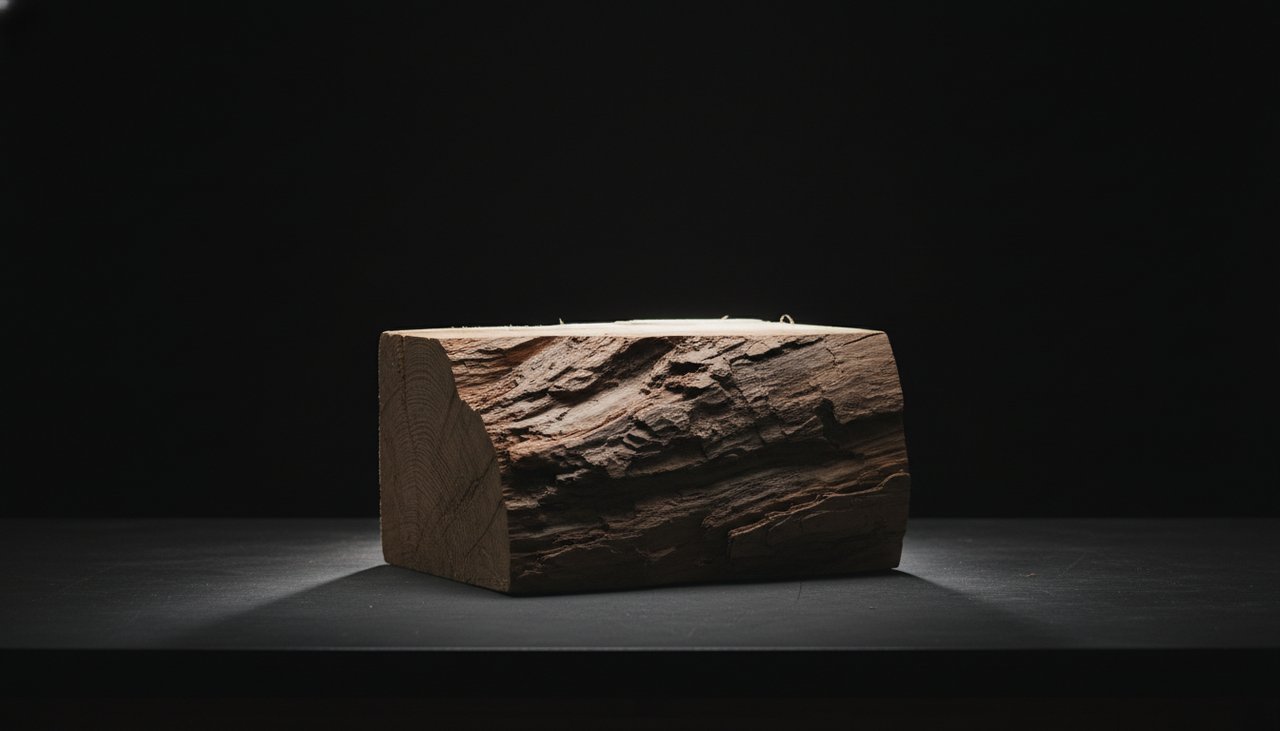
It is not a phase of decay or passive waiting. Instead, it is a deliberate, unseen recalibration between the wood’s internal cellular structure and the new atmospheric pressure surrounding it.
Thirst and Tension
The initial physical shock of lower altitudes triggers an intense internal adjustment—the Dry Period, which spans the first three months. The wood contracts as its cellular walls pull inward, negotiating equilibrium with a pressure and humidity it has never held before.
Traces of this struggle are quantifiable. The moisture content steadily drops from a mountain-born 20% down to below 12%. The fibers pull tight against themselves in an effort to find equilibrium.
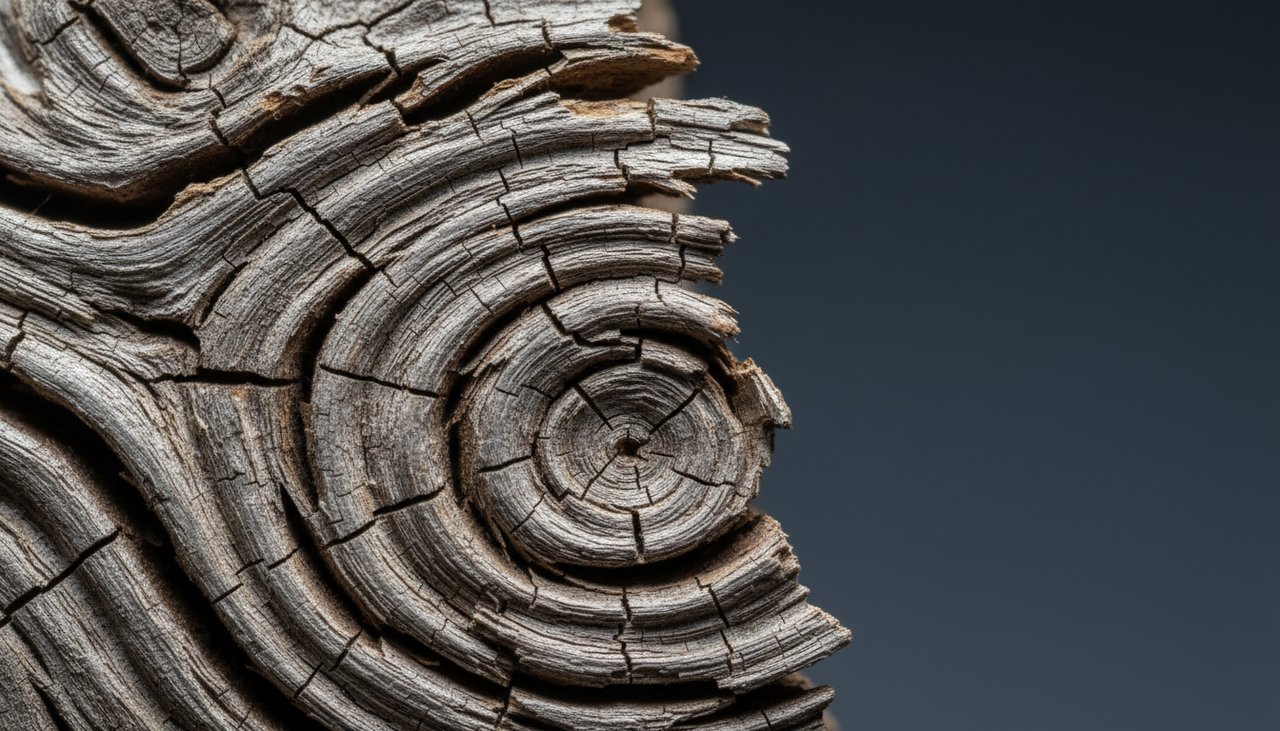
To the touch, the wood feels distinctly matte and dry. The pores remain wide open, actively exhaling the high-altitude moisture they once held. The scent carries a sharp, herbal note that has not yet mellowed into a complex fragrance.
When Oil Answers the Air
Around the fourth month, the internal tension breaks and the wood begins the Oil-Return Period. This emergence lasts until roughly the eighth month. Deep-seated resins begin to migrate outward through microscopic channels to seek the exterior.
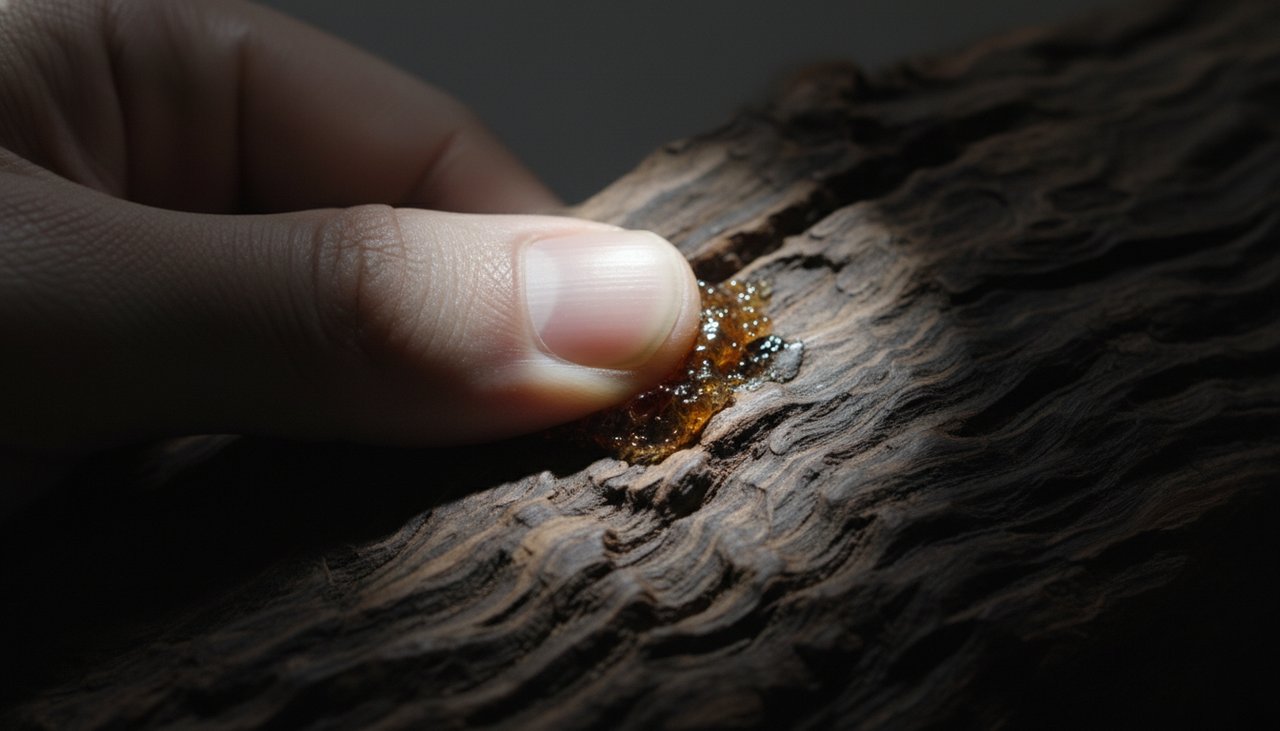
You can observe a subtle sweating on the surface under a strong lamp. This process requires specific environmental triggers, usually requiring the temperature to sit consistently between 20°C and 35°C. Without this warmth, the resin migration may never fully activate.
A maker reads this transition by touch rather than sight. By pressing a thumb against the grain, they perform a simple fingertip test. If the skin slides with a subtle drag rather than catching on dry fiber, the internal resin has successfully breached the surface.
A Sheen Born From Within
The final quarter of the first year brings structural stability during the Maturation Period. The turbulent outward migration of resins settles into a quiet integration with the outer fibers. The surface-level slickness cures into true amberization.
The resin and fiber fuse into a unified exterior layer. The surface develops a restrained lustre that bounces light back in a soft, diffuse scatter. The wood no longer looks wet; it looks deeply saturated.
There is a concrete metric to this settling process. If you place the piece on a scale, you will note a 5% to 8% natural weight loss compared to its day of harvest. This absence of water weight is the definitive marker of natural acclimatization.
| Phase | Duration | Core Characteristic | Key Metric |
|---|---|---|---|
| Dry Period | Months 0–3 | Matte, open-pored surface | Moisture: 20% → below 12% |
| Oil-Return Period | Months 4–8 | Surface sweating, resin migration | Requires sustained 20°C–35°C |
| Maturation Period | Months 9–12 | Amberization, diffuse sheen | Weight loss: 5%–8% from harvest |
A Choice of Philosophy
Eventually, human hands intervene to finish the surface. The method chosen leaves a permanent mark on how the wood breathes going forward. We generally see two distinct paths:
- Pure hand-sanding relies on ascending grits—typically from 80 through to 2000 or 3000—to leave microscopic pores open to humidity. This yields a natural, amber-like oxidation and ensures the wood is 25% less prone to cracking.
- Waxing seals the pores with an industrial shell to create an immediate, high reflection. However, this traps remaining moisture inside the wood. That residual water reacts with certain petrochemical components in industrial wax, producing a compound that bonds to the sealed surface and resists standard cleaning—visible as yellowed, hard-to-remove spots months later.

Reading the Finished Page
Turn the piece under the work lamp one last time. The raw material has fundamentally changed its composition over twelve months. The first chapter is now complete, written by the air, the ambient heat, and the wood’s own internal reserves.
You are looking at a surface defined by a colloidal, diffuse reflection. When you run your palm across it, the immediate sensation is a warm, woody thermal feel. It lacks the cold bite of glass or synthetic sealants.
The wood has finished reacting to the environment and is now waiting to record the physical traces of a human hand.
The maker’s marks and twelve months of quiet acclimatization have set the foundation. What happens to the surface from here is yours to write.
Frequently Asked Questions
Highland wood undergoes an unseen internal recalibration for three months after harvest. Its cellular structure adjusts to lower atmospheric pressure. This process is crucial for long-term stability.
During the first three months, wood's moisture content drops from 20% to below 12%. Its fibers contract, creating a matte, dry texture with open pores. A sharp, herbal scent is noticeable.
From month four to eight, deep-seated resins migrate to the surface. This creates a subtle sheen, especially under warmth (20-35°C). A fingertip test reveals a subtle drag.
Hand-sanding leaves pores open, allowing natural oxidation and greater crack resistance. Waxing seals pores, offering immediate high reflection but potentially trapping moisture, leading to issues.
Avoid prolonged water exposure and harsh chemicals. Gently wipe with a soft, dry cloth. Over time, your skin's natural oils will enhance its unique patina.
Yes, properly acclimatized highland wood is dense and stable. Its natural fiber maturation process makes it resilient against cracking. It's designed to record your journey.
Amberization is the natural curing of surface resins, fusing them with outer fibers. This process develops a deep, restrained luster and a distinct, warm thermal feel. It signifies stability.
Wood jewelry often serves as an anchor for personal focus and resilience. Its natural strength and slow maturation reflect an inner journey, not external power. It grounds your mindset.
Estovio sources high-altitude hardwoods, specifically selected for their unique density and fibrous structure. We prioritize responsible practices that respect the material's natural journey.
Wood jewelry, especially with matte silver, complements natural textures like linen or wool. Its understated aesthetic pairs well with a minimalist wardrobe, adding a grounded accent.