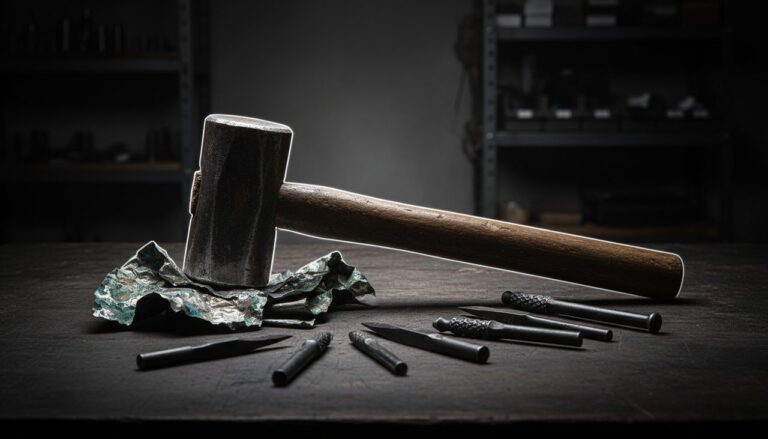
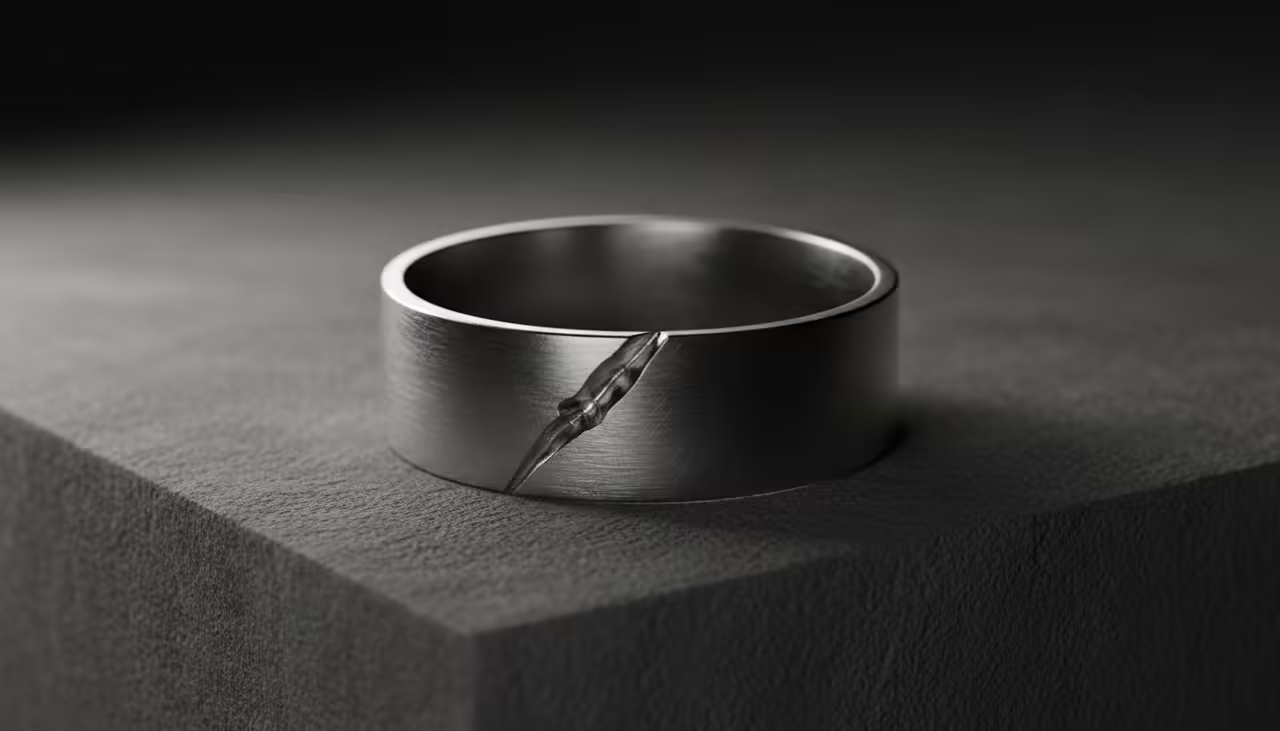
I remember the first deep gouge on the silver ring I forged for my own left hand. It didn’t happen during a dramatic fall, but against the sharp, cold edge of my jeweler’s anvil. I had been filing a commission piece for a week, lost in the rhythmic, metallic rasp of the workshop, when the slip occurred. For a long time, I couldn’t look at anything else. That single, jagged line—barely 0.5 millimeters deep but catching every stray beam of light—seemed to scream against hours of careful polishing.
The Anxiety of the Pristine
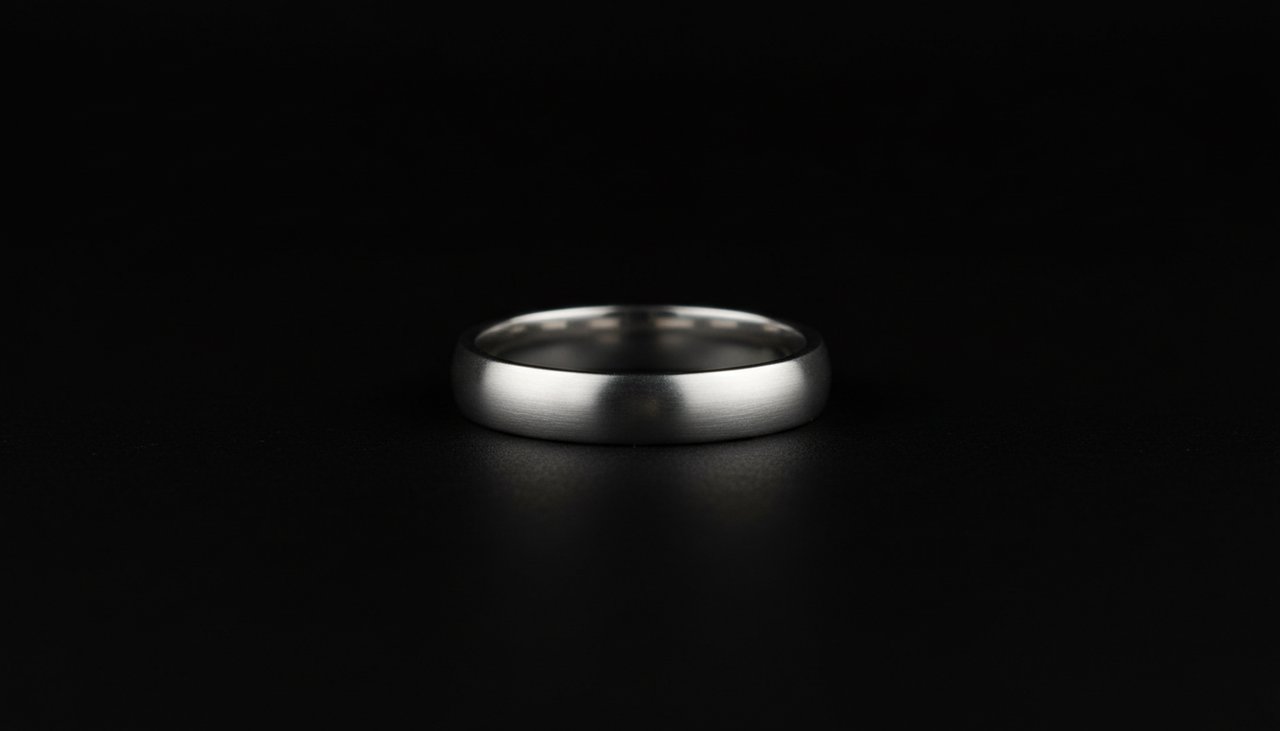
When a piece leaves the bench, it exists in a state of suspended animation. The metal is a mirror so perfect it feels fragile, catching the light with a clinical, even glare. You can still smell the faint, citrusy scent of the final polishing wax. Every edge is crisp and sharp, holding the exact geometry I intended in the silence of the studio.
Have you ever noticed how we hold our breath around new things? We treat them with a strange, distant reverence, as if any touch might break the spell. We tuck them into felt-lined boxes or take them off before starting any 「real」 work. In this state, the object isn’t really ours; it’s just a visitor from a display case. A pristine surface is a blank page that refuses to be written on. It has no memory, no friction, and no proof that it has ever truly met the world.
A Language Written by Habit
My perspective didn’t change overnight. It took weeks of watching that first gouge be joined by dozens of others. I stopped reaching for the polishing cloth and started looking through a loupe. A pattern was emerging, one that wasn’t random at all. It was a slow-motion recording of my presence.
On the bottom of the band, I found a cluster of tiny, microscopic dents—the result of tapping my hand against the wooden bench while waiting for solder to flow. On the right side, the silver had taken on a soft, frosted glow. That was from my thumb, which instinctively finds that spot whenever I’m trying to solve a design problem. These weren’t damages. They were a precise physical record of how I think and move.
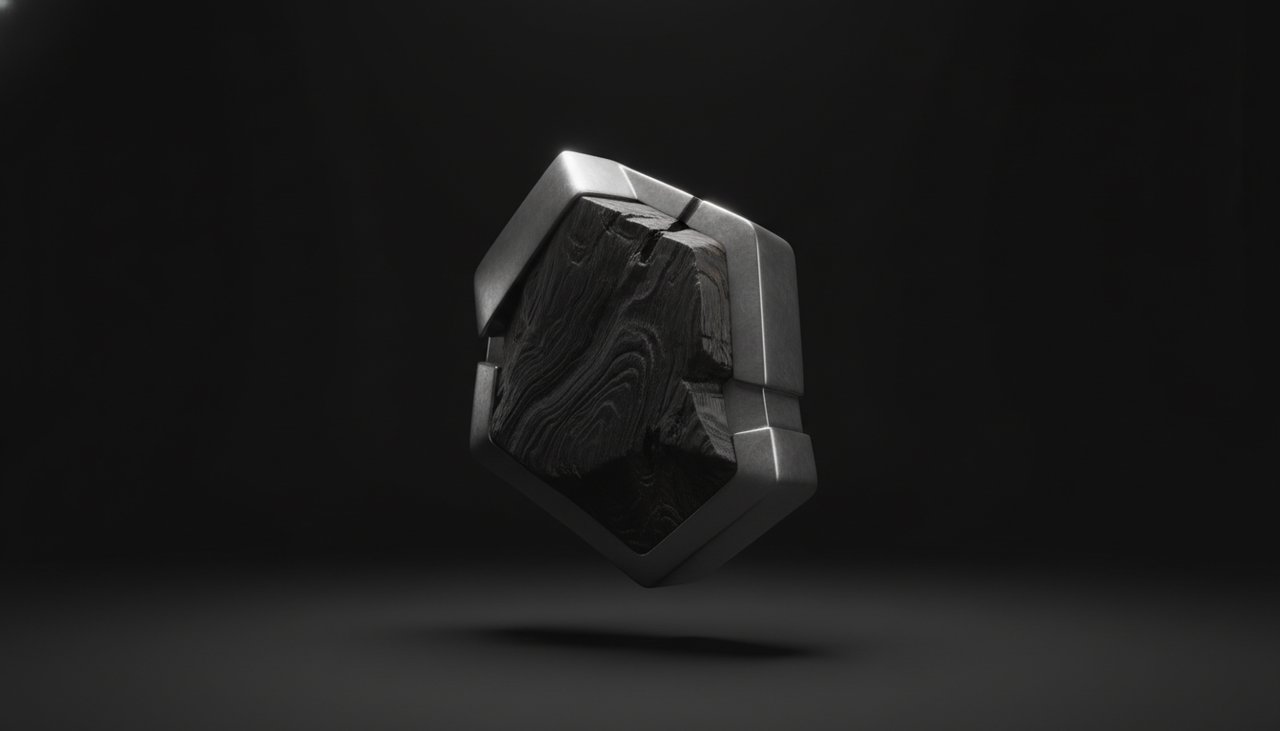
The wooden parts of the piece tell a different story. On highland hardwood, the grain runs tight and the density is high—which means scratches don’t spread or splinter the way they would on softer timber. Instead, they compress into narrow channels, each one holding its own faint darkness. The wood’s close-grained structure keeps every mark contained and legible, like a line of handwriting that doesn’t blur.
Does the object change us, or do we change it? The metal was simply recording the geometry of my life. I was learning to read a dialect of pressure and time. Every object we use regularly is a silent chronicler, taking notes on our most ingrained habits through the simple physics of friction.
The Luster of Lived Time
After a year, something quiet happens. The harsh, lonely scratches begin to find each other. They overlap and soften, weaving into a texture that no machine can replicate. The aggressive mirror polish fades into a muted, satin glow that holds the light gently, diffusing it into a soft warmth.
At the same time, the natural oils from your skin find their way into the microscopic valleys of the metal or the grain of the wood. This isn’t decay. It is a patina of focus, the physical proof of thousands of hours of being present.
The material itself shapes how quickly this happens. Silver is chemically reactive—it absorbs sulfur from skin and air rapidly, building depth within months. Gold, by contrast, is largely inert; it resists oxidation and accumulates patina through friction alone, which means the same record takes years to write. Both are honest. The timescale is just different.
It proves that the object has served its purpose in the world.
Your Own Personal Ledger
Look at the things within your reach right now. Perhaps it’s the leather of a wallet that has softened at the exact point where your thumb pulls the tab, or the way the enamel has worn off the corner of your favorite pen. We often mistake these changes for a loss of value, a steady decline toward the useless. I’m asking you to look closer at the wear.
These marks are a map. No one else in the world holds a pen with your exact weight, or rests their arm on a desk at your specific angle. The wear is your signature, written in slow motion over months and years. Consider the traces you leave behind:
- The way the 「E」 and 「T」 keys on your keyboard are slightly smoother than the rest.
- The handle of a tool that has slowly surrendered its shape to the grip of your palm.
- The faded spot on a wooden table where you always place your morning coffee.
When I look at my ring today, that first deep gouge is still there, but it’s buried within a landscape of a thousand other stories. It isn’t a flaw anymore; it was the first word of the first chapter. True value doesn’t live in the preservation of the 「new.」 It lives in the courage to let the material reflect the life of the person holding it.
Pick up the object you touch most often today. Hold it under a light for a minute. Turn it over. Look at which surfaces have gone smooth, where the color has shifted, which edge your fingers have worn down without you ever deciding to. What rhythm has your focus been writing there, without your permission?
Frequently Asked Questions
It describes the earned beauty of materials that reflect continuous use and presence over time. This includes the softening of scratches, the muted glow of metal, and the integration of natural oils. It's physical proof of being lived with, not just looked at.
No, the article redefines them as a physical record of your life and habits. They are a 'personal ledger' written by the daily rhythm of your focus and interaction with the object. True value lies in letting the material reflect your life.
Objects become silent chroniclers, recording ingrained habits through the physics of friction and pressure. Microscopic dents, polished spots, or softened edges emerge as a precise physical record of how you think and move. These marks reveal a unique dialect of pressure and time.
Oxidized silver undergoes a chemical process to create a darkened, often matte, surface finish. This treatment enhances the metal's texture and depth, making scratches and wear appear as part of its character rather than flaws. It develops a unique patina over time.
High-density hardwoods develop a rich, deeper luster over time as they absorb natural oils from the skin. This process, combined with daily contact, enhances the wood's grain and creates a unique, smooth patina. It reflects the life of the wearer, becoming more personal with age.
Matte silver benefits from gentle cleaning with a soft cloth and mild soap to remove surface dirt. Avoid harsh abrasives or vigorous polishing, as these can alter its unique finish and diminish the developing patina. Embrace the subtle changes that occur with regular wear.
In jewelry, essentialism focuses on fundamental forms, raw materials, and structural beauty, stripping away superfluous elements. It emphasizes the inherent qualities of the materials and the object's purpose as an anchor for the wearer's mindset. This approach celebrates understated design and enduring relevance.
Materials like oxidized silver, high-density hardwoods, and natural stones develop a rich patina that enhances their character with age. Their surfaces respond to daily interaction, creating unique marks and a softened luster over time. These changes are considered part of their intrinsic beauty.